Frontiers in Rehabilitation Sciences' November 18 pilot trial and University of Otago OPC guidance
A video appointment occupies one square on a family's calendar. The forms, technology, and practice between appointments take up more room. A Palestinian occupational therapy pilot brings that surrounding work into view.
In brief
- Count the work families do around each appointment.
- Ask about the experience of attending as well as attendance.
- Keep service planning and claims about treatment benefit separate.
What families completed
Published November 18 in Frontiers in Rehabilitation Sciences, the West Bank study randomized 26 families of autistic children to eight weekly Occupational Performance Coaching (OPC) sessions or a waitlist with digital resources. The research took place in 2025.
Twelve of 14 mothers assigned coaching began it; all 12 finished. Recruitment took about twice the planned time. Parents reported roughly an hour per assessment battery. Seven of 12 coaching completers reached the study's favorable telehealth-acceptance threshold, below its 80% progression target.
One moderate, possibly intervention-related roadway incident caused no injury. The pilot cannot establish effectiveness. Goal ratings were collected only in the coaching group; one therapist delivered care, follow-up was short, and eligibility required digital access.
The family chooses the problem
OPC helps people and caregivers work toward changes they value in everyday life. The University of Otago's official guidance describes an approach first developed for parents of children with developmental disabilities and now used across rehabilitation professions. It encourages clinicians to study the method, discuss its use with colleagues and clients, and check fidelity through available assessment tools.
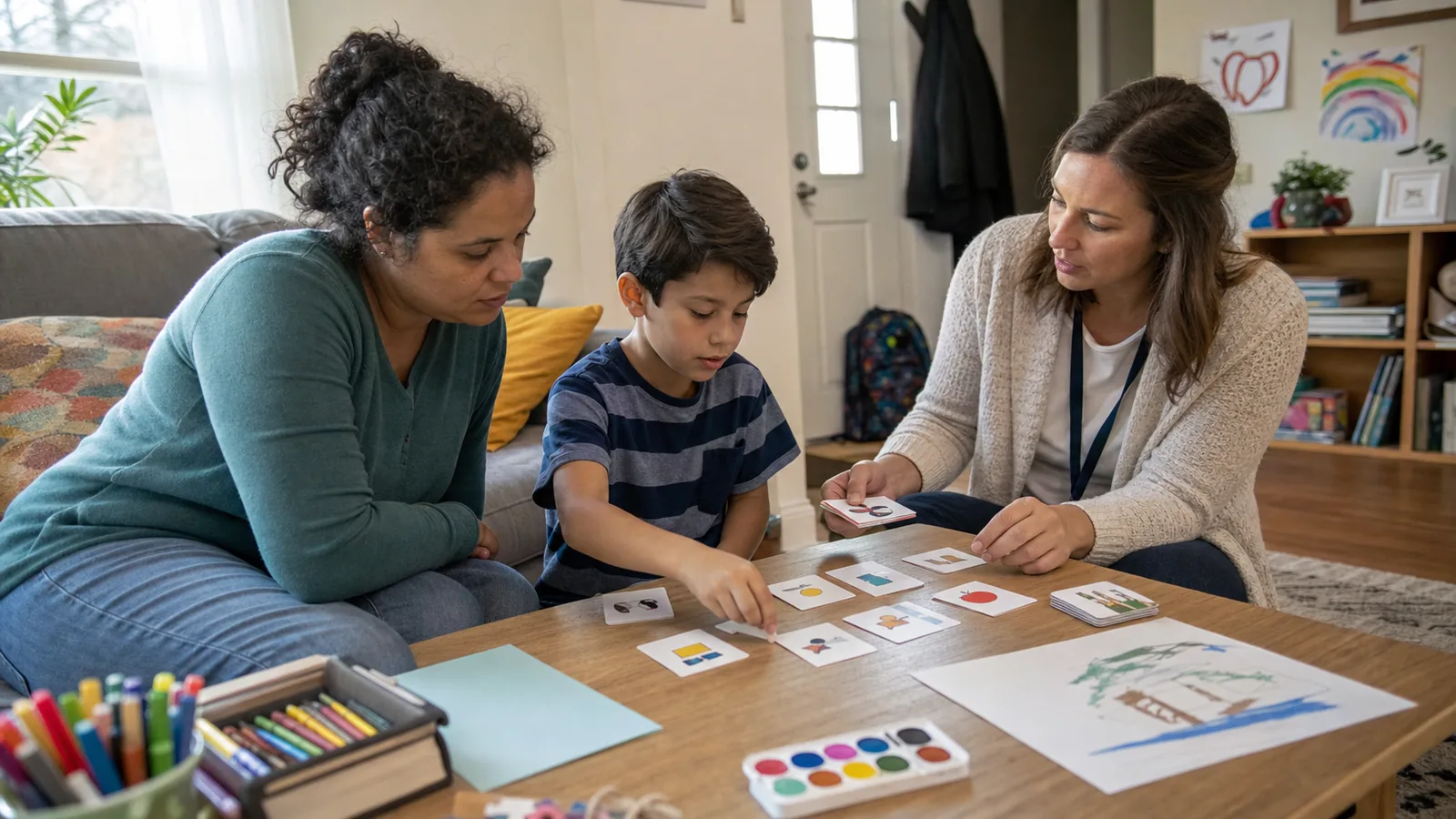
For a pediatric service, that starts with a concrete family priority. A parent might want a calmer departure for school or a child to manage more of dressing. Agree what the family wants to attempt, what support is needed, and how the next conversation will review the experience.
Give the appointment a wider margin
Teams considering remote coaching can use the pilot to ask better service-design questions. How long does registration take on a phone? Can a caregiver finish the forms while supervising a child? Who answers when the connection fails? Try the full appointment journey before adding another questionnaire.
Keep a simple record of invitations, starts, completed visits, reported burden, and reasons for stopping. Ask families what made participation difficult even when they attended. A filled appointment book answers a scheduling question; a useful service also needs to know what fitting that appointment into a household required.